
Field Operations · Application portfolio
Field Operations Copilot
Context-aware work for field teams - plans, assets, history, and conditions delivered to the person doing the job, with a clean path back to the enterprise.
A concrete decision workflow
From operating question to accountable action.
Step 1
Operating question
Field teams operate with incomplete context, fragmented instructions, changing conditions, manual forms, and disconnected reporting loops. The enterprise hears about it days later.
Step 2
Connected evidence
Job plans & work orders · Schedules & crew assignments · Asset data & history · Field reports · Safety procedures
Step 3
Assisted action
Context-aware work instructions and summaries · Exception detection and issue escalation in the field · Safety checklists tailored to the job
Step 4
Human decision
Job kit: Assemble everything the crew needs for the job - plan, history, hazards, parts - on one surface.

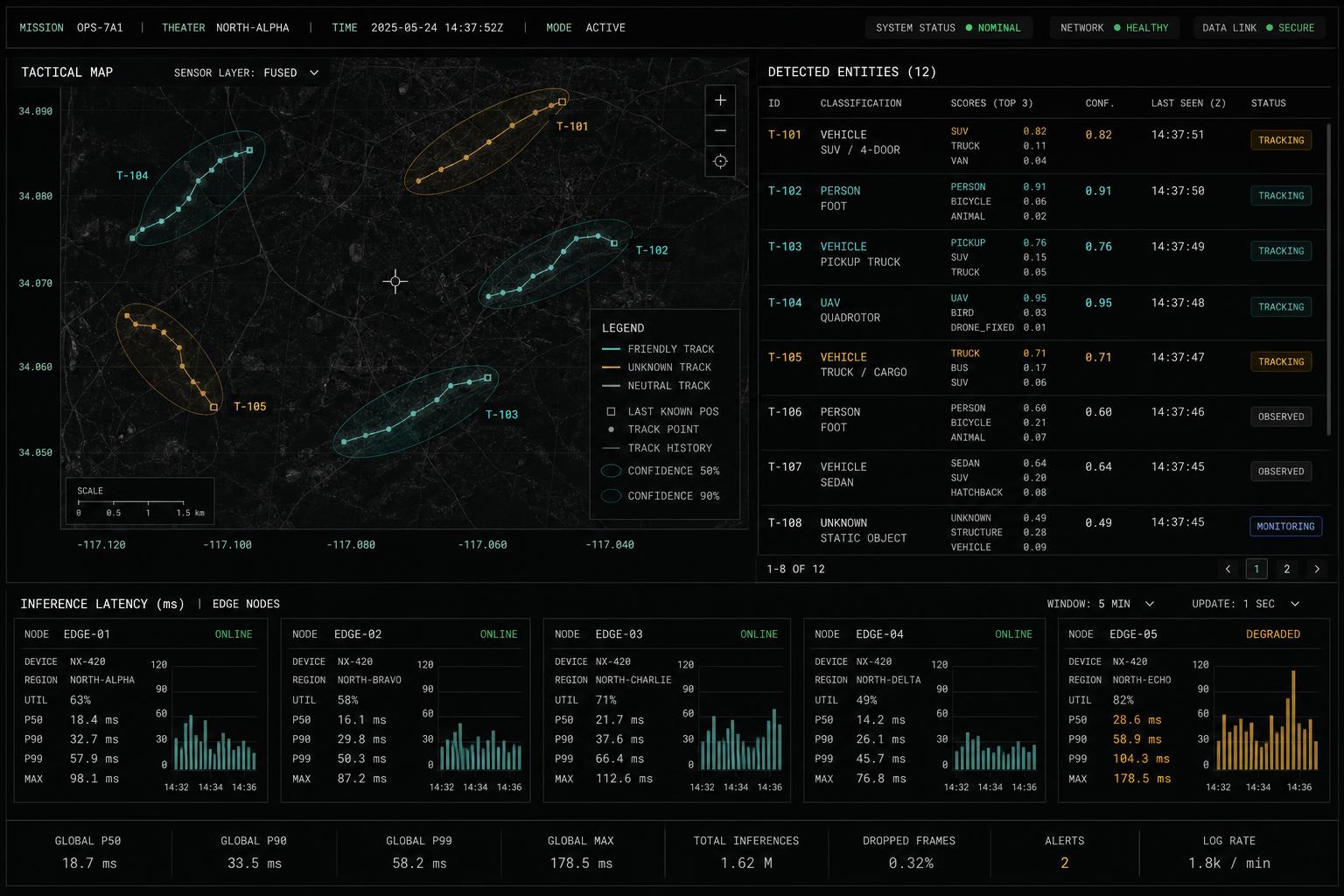
Representative interface · Product status not independently verified · Not a customer deployment
Evidence stays attached to the decision.
Source context, recommendations, permissions, and operator review remain visible on the same working surface.
Built with the people who own the outcome.
The path begins with one bounded decision, connects the systems holding its evidence, puts a working surface in front of operators, then hardens permissions and audit before expanding.
Public customer case studies are not yet available. The workflows shown here are representative and are not customer attributions or performance claims.
One operating view · Field Operations Copilot
The same working path runs through every Ridgeline application.