

AI that understands the physical world it operates in.
Ridgeline AI extends the governed operational layer to sensing, bounded autonomy, and edge inference - so perception from the physical environment becomes context an operator can review and act on under an agreed lineage, policy, and approval model.
What machines perceive. What operators know. What the mission allows.
perceive
sensors at the work
interpret
inference on site
decide
bounded by policy
prove
sensor frame to signature
See how a physical signal can become an authorized action.
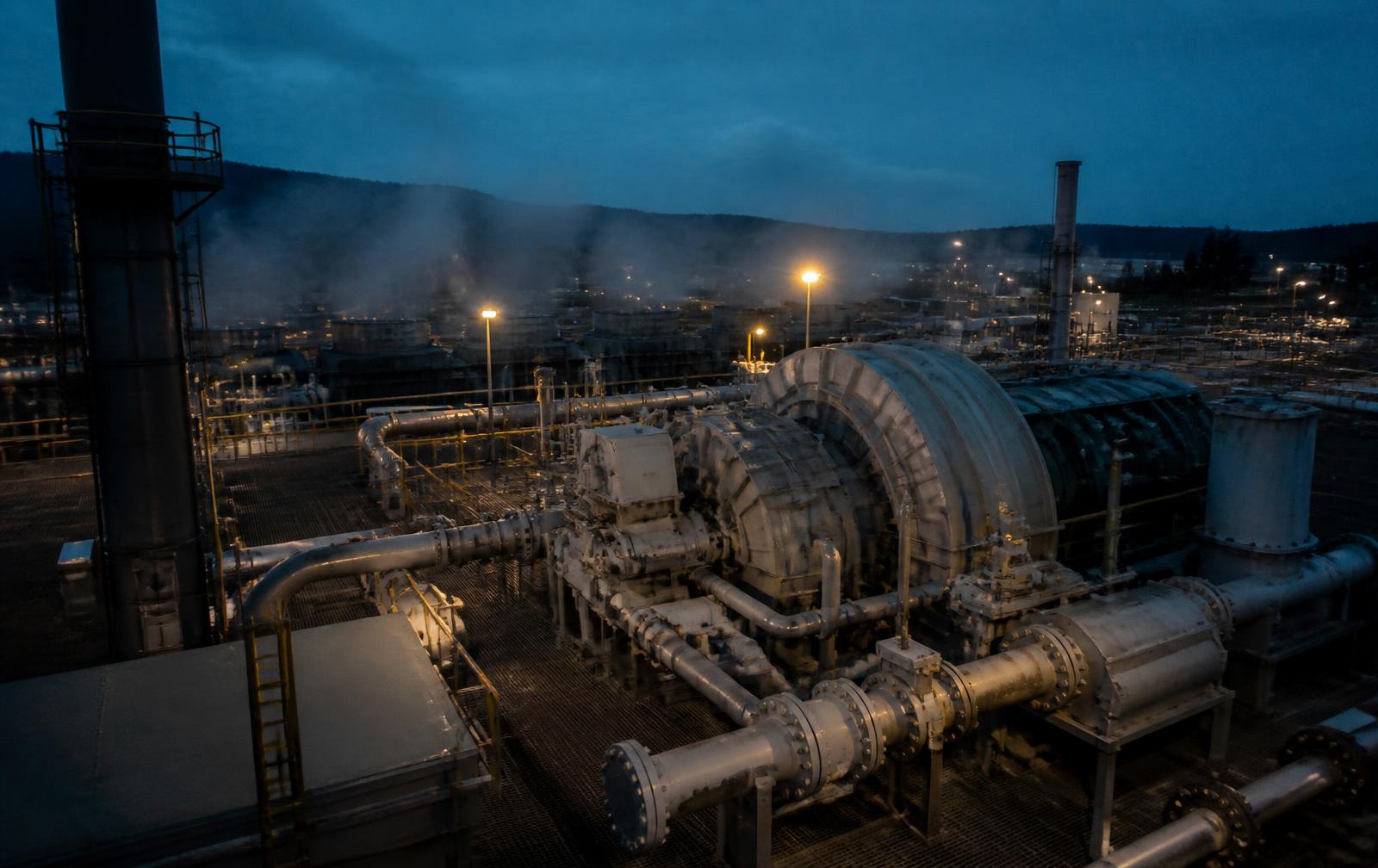
Frame received from an approved compressor-yard feed.
vibration
elevated
case temp
above profile
cadence
source-defined
latency
scoped
interpret · at the edge
Signal becomes evidence before it leaves the site.
Detections resolve against the asset, the crew, and the procedure - then carry the frame, sensor, model version, and confidence that produced them.
- 01Frame capturedapproved site feed
- 02Detection resolvedCompressor A-17
- 03Recommendation raisedoperator review
- 04Action authorizednamed human
sensor
site cam 04 · thermal pair
model
pinned version
lineage
frame → signature
authority
named operator
From sensor frame to signed decision.
Physical AI is not a separate product. It is the same operational layer, extended down to the sensors and out to the edge.
- 01
Perceive
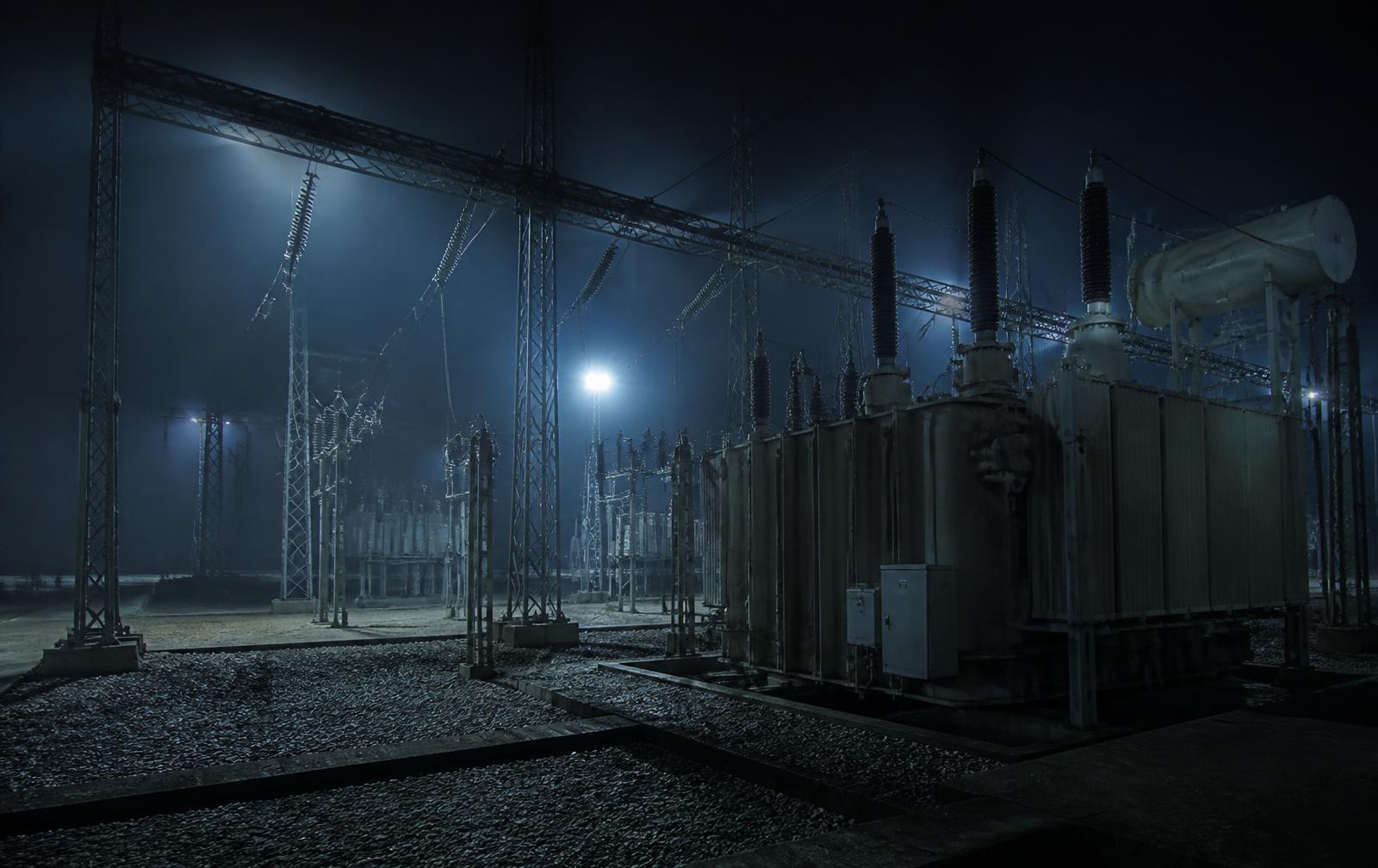
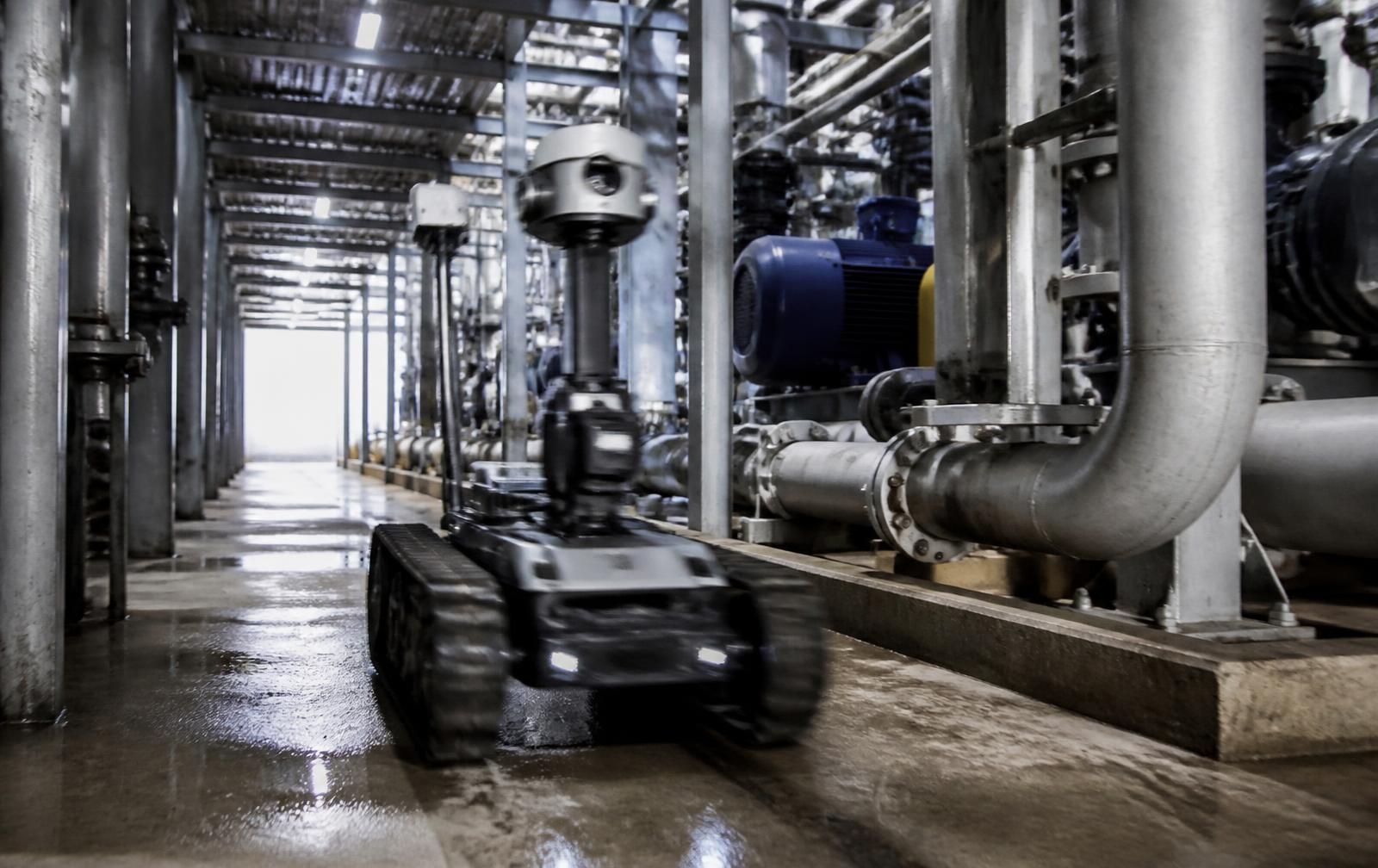
Approved cameras, lidar, thermal, acoustic, vibration, GNSS, and OT/ICS telemetry can be captured where the work happens.
- Fixed and mobile sensing
- Mobile capture
- OT / ICS signal
- Inspection media
- 02
Interpret
- 03
Model
- 04
Decide
- 05
Act & prove

sensors
fixed + mobile
cadence
source-defined
signal
OT / ICS
Approved cameras, lidar, thermal, acoustic, vibration, GNSS, and OT/ICS telemetry can be captured where the work happens.
- Fixed and mobile sensing
- Mobile capture
- OT / ICS signal
- Inspection media
sensors
fixed + mobile
cadence
source-defined
signal
OT / ICS
Governance wraps every layer · perception is evidence, action is authorized
What the physical layer does.
Built for the site, not the datacenter.
Software shaped by the hardware in scope.
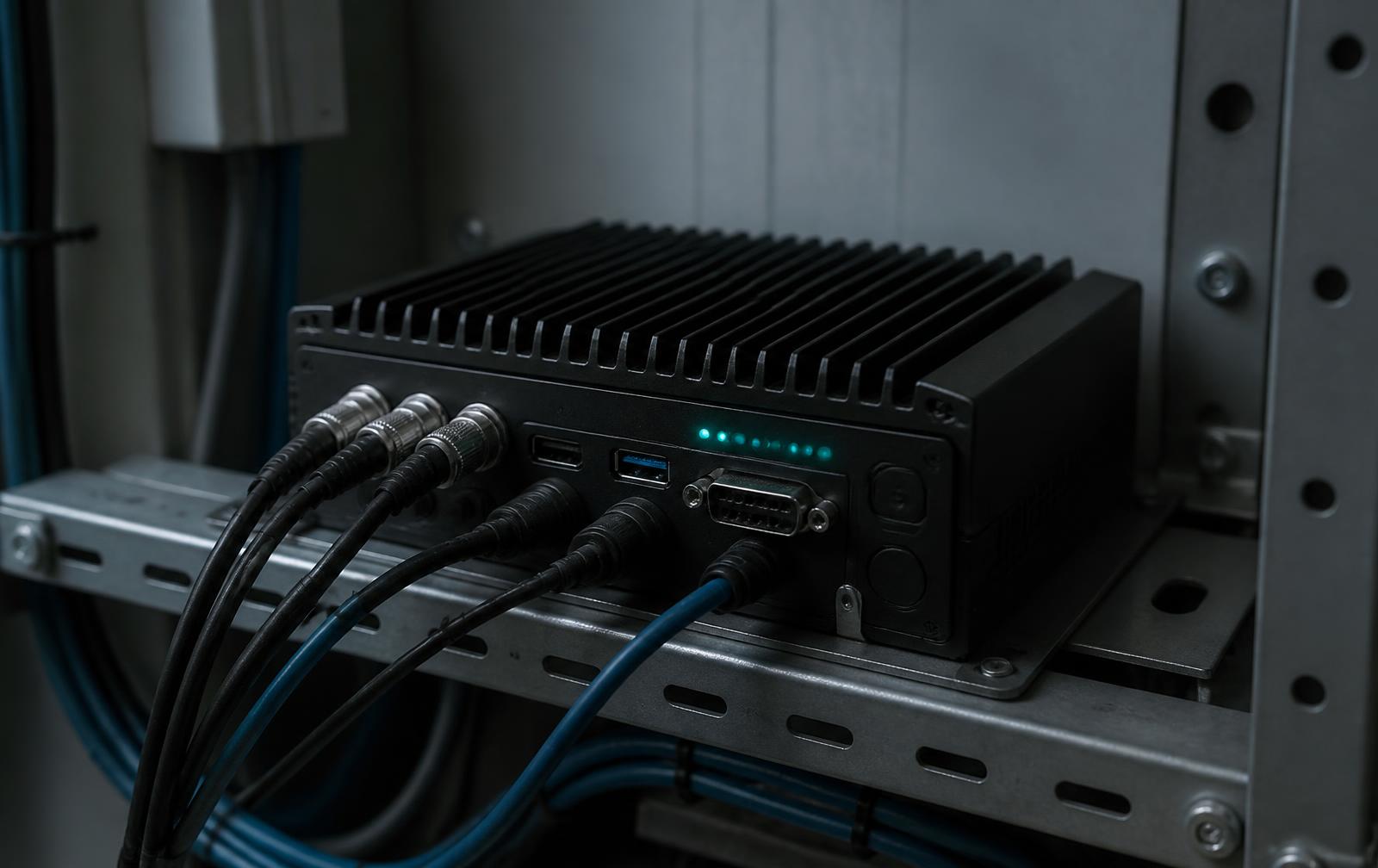
Ridgeline AI sits inside the Element 29 ecosystem. Physical AI work is scoped around the customer's approved sensing, autonomy, controls, and edge-compute environment, so the software reflects the field conditions rather than assuming a generic cloud path.
Accelerated inference and computer vision can run on site-side infrastructure where latency, bandwidth, or sensitivity require processing to stay local.
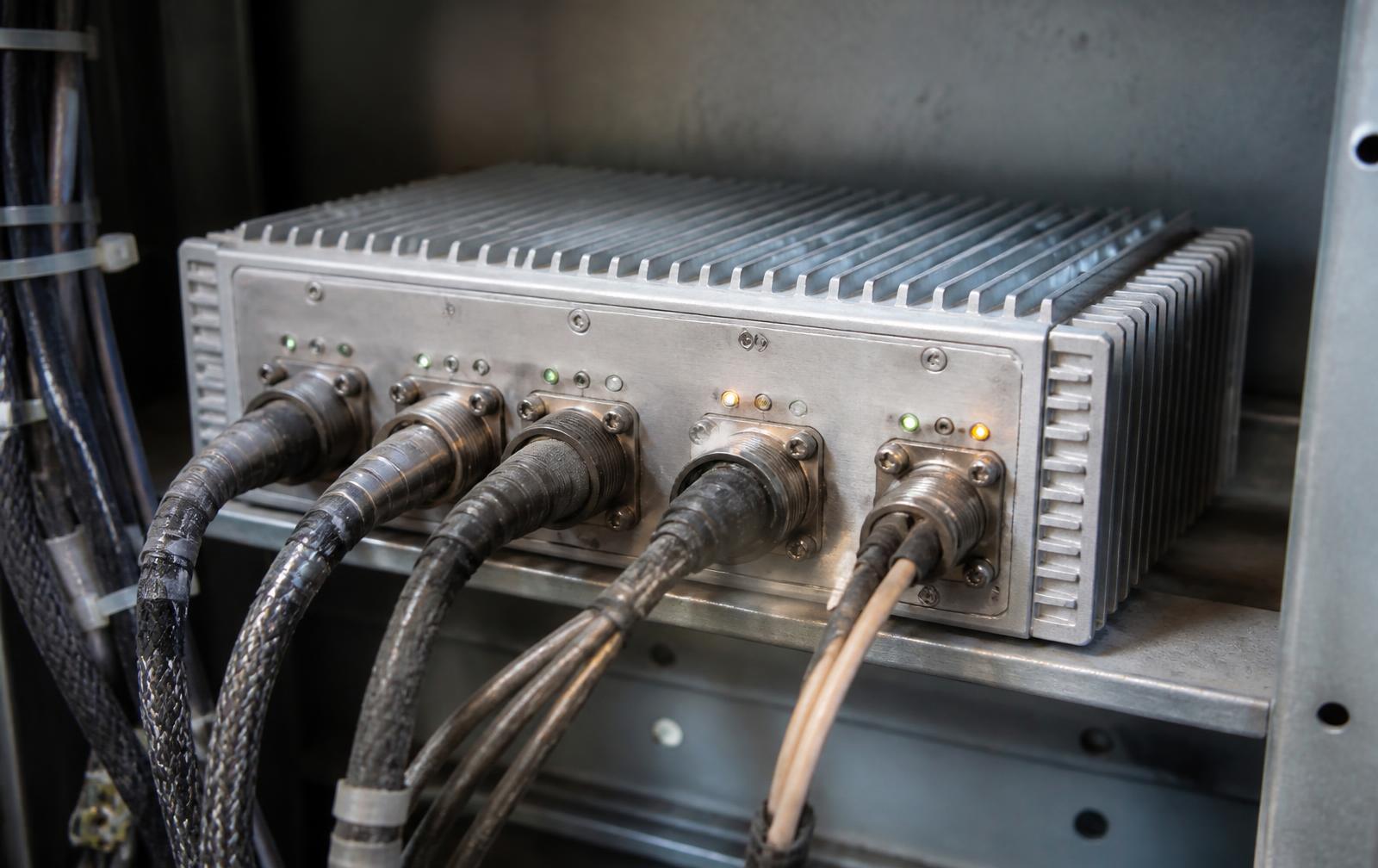
Hardware-enabled AI · scoped via Element 29
Sensing
Fixed, mobile, and approved autonomous capture systems.
Edge compute
Site-side inference sized to the environment.
Integration
OT/ICS and controls constraints mapped before writeback.
Federal path
Applicable services may use the Element 29 GSA MAS path.
Autonomy is granted. Never assumed.
Physical consequences raise the bar. The governance model that applies to a recommendation applies to a robot, a dispatch, and an isolation step.
Perception is evidence, not verdict
Every detection carries the frame, the sensor, the model version, and the confidence that produced it.
Physical action requires authorization
Systems are designed so AI proposes physical work and a named human authorizes it.
Bounded operating envelopes
Autonomy is scoped to a defined area, task, and condition set - and stops at the edge of that envelope.
Safety cases stay human-owned
Safety-critical determinations remain with the qualified people and processes that already own them.
Full lineage from sensor to signature
The intended path from raw capture to approved action is reconstructable and reviewable after the fact, subject to the sources and controls in scope.
How much autonomy, for which action?
Pick a level to see what the system may and may not do at that rung.
Autonomy is granted per action class
Levels are assigned per action, per role, and per operating condition. The same fleet can run L3 for inspection routing and L1 for anything on an energized asset.
The system proposes. Every proposal carries evidence and confidence.
System may
- Rank and explain options
- State confidence and gaps
- Draft the work package
System may not
- Change priority
- Dispatch
- Isolate or switch
Illustrative
Recommend a priority change on WO-4471, confidence 0.82, switching plan missing.

Forward deployed, because physical systems are site-specific.
Sensors, plants, vehicles, and sites do not generalize. Forward deployed engineering teams model the environment with the people who operate it, validate the workflow, and stay through production hardening where the engagement requires it.
Forward deployed engineeringWhat operators ask about physical AI.
What is physical AI?
Physical AI is machine intelligence applied to the physical world rather than only to documents and records: sensors that perceive a site, models that interpret what they see, and bounded recommendations for equipment, vehicles, or crews. Ridgeline AI extends its governed operational layer to that domain, so a sensor frame and an authorized action can live on the same audit trail.
Does inference run on site or in the cloud?
On site where latency, bandwidth, sensitivity, or connectivity require it. Edge compute is sized to the environment, and reconciliation with the wider record happens when a link is available. Cloud is an option, not an assumption.
Can Ridgeline AI control robots or industrial equipment?
Actions with physical consequence are granted, never assumed. Each action class is bounded by policy, requires the authorization level the customer defines, and is designed to be recorded from the originating sensor frame through the model version to the approving signature.
What hardware does the physical layer run on?
Sensing, autonomy, and edge compute are scoped per environment through the Element 29 ecosystem. Accelerated edge infrastructure can be used where processing needs to stay on site.
How is physical AI deployed?
Forward deployed where the environment requires it. Sensors, plants, vehicles, and sites do not generalize, so engineering teams model the environment with the people who operate it and stay through validation and production hardening.
Is there a federal contract path?
Applicable services may be positioned through GSA MAS contract 47QRAA26D0058, held by Element 29 LLC. Scope and eligibility are confirmed per requirement.