
Industry
Defense & Readiness
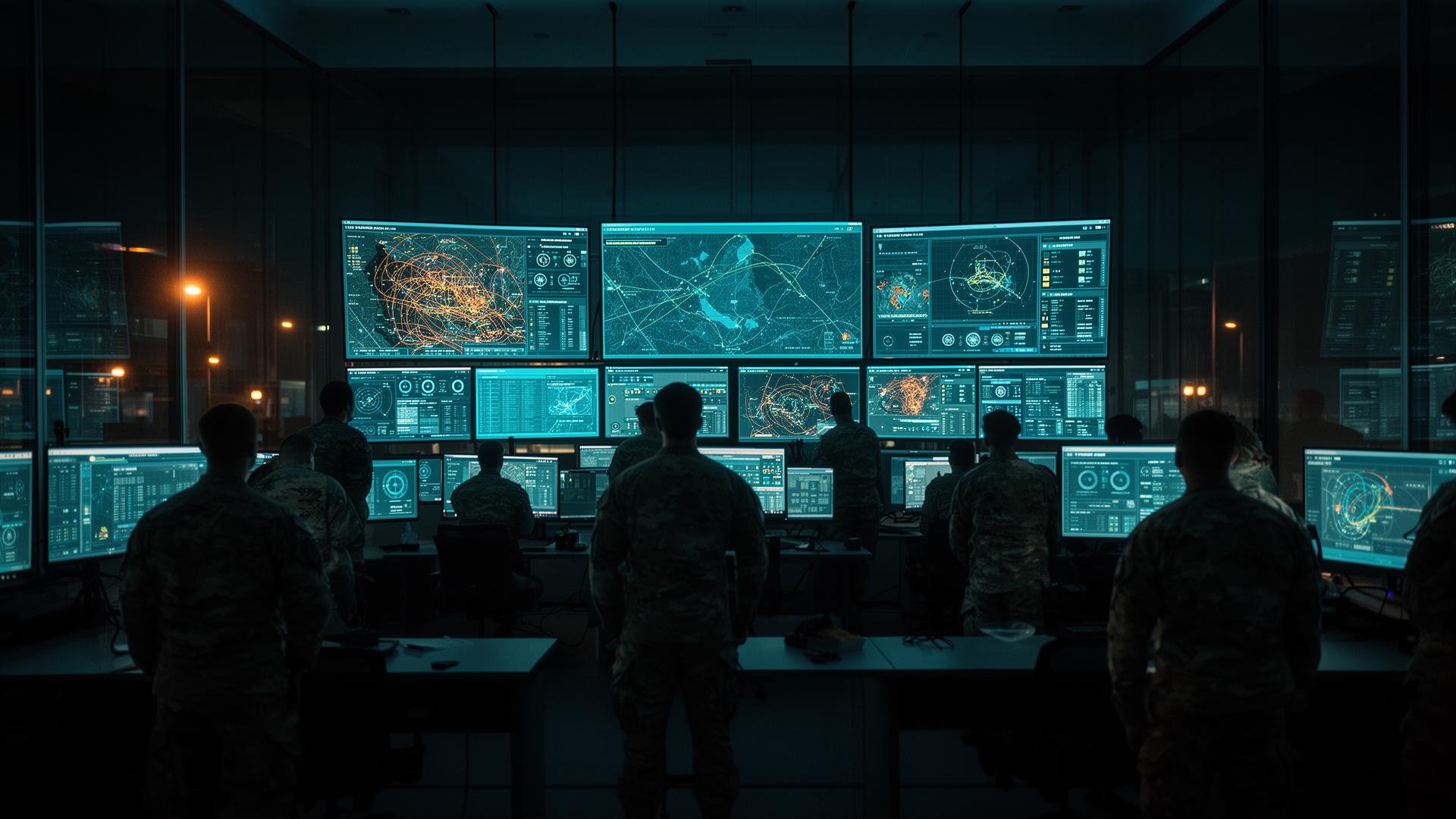
Readiness signals - assets, personnel, training, parts, maintenance, facilities - live in disconnected systems, so leaders see a picture that's already stale.
The operating reality.
Readiness is not a number, it is an argument. A unit is ready when the equipment is available, the crews are qualified and rested, the parts are on the shelf or on a truck with a date attached, and the facilities that support all three are functioning. Each of those facts is authoritative in a different system, owned by a different staff section, refreshed on a different cadence. The monthly readiness brief is where they are finally reconciled - manually, in slides, by people who spend more hours assembling the picture than interrogating it. By the time it is briefed, the underlying data has moved.
Ridgeline AI models the readiness argument itself. Assets, personnel and training records, maintenance actions, supply positions, schedules, budgets, and compliance artifacts are bound to a shared operational model, so a degraded aircraft, the qualification it invalidates, the part on backorder, and the mission it threatens are one connected object rather than four unrelated rows. Leaders stop asking what the number is and start asking what would have to change to move it - and the system can answer, because the dependencies are explicit.
Because the consequences are real, every recommendation carries its lineage: which source systems contributed, when they were last read, what assumption was applied, and who is authorized to act. Decisions are bounded by policy and recorded with a signature, so a tasking change made on Tuesday can be reconstructed months later during a program review or an audit. Autonomy is granted deliberately, never assumed.
Evidence in context
Systems stay authoritative. Decisions become connected.
Typical evidence
- — Asset records
- — Personnel & training
- — Maintenance
- — Inventory
- — Schedules
- — Budgets
- — Compliance records
Decisions supported
- — Readiness posture
- — Gap mitigation
- — Mission-specific tasking
- — Program execution
Applications for this operating world.
Readiness Command Center
A live view of force readiness - assets, personnel, training, maintenance, parts, and facilities - connected to the decisions leaders have to make.
ExploreProgram Performance Cockpit
Cost, schedule, risk, scope, staffing, and execution status in one operating picture - with the audit trail program reviews require.
ExploreMaintenance Intelligence
Connect work orders, sensor data, inspections, parts, and asset history into one decision layer - so maintenance teams act before things fail, not after.
Explore